What Kind of Schooling Is Needed to Be a Chef?
Conseils carrière / October 13, 2025Becoming a chef no longer follows a single, rigid path. While formal education is not strictly required, culinary training can give aspiring chefs a competitive edge in today’s evolving culinary landscape.
Most chefs begin with entry-level kitchen positions while building their education and hands-on experience, a combination that remains critical for career growth.
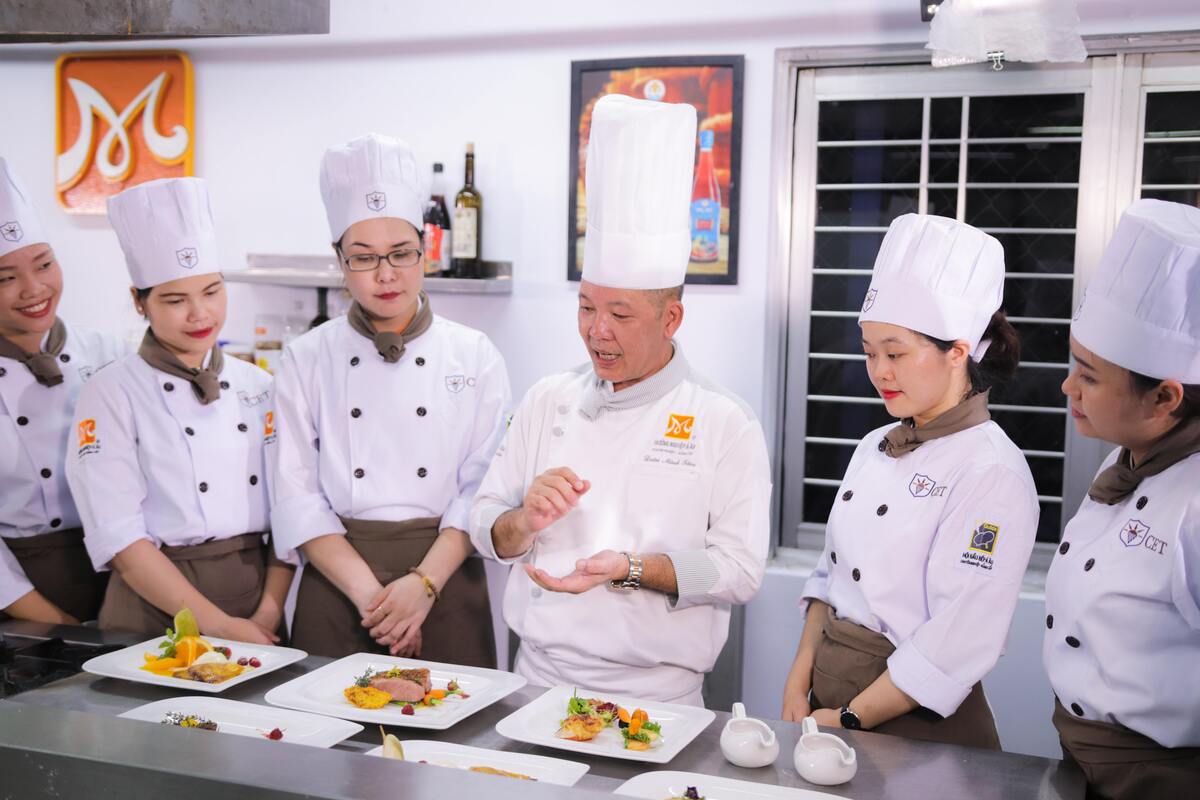
Culinary School: Still Valuable, But Not the Only Path
In 2025, many chefs choose to attend culinary school early in their careers. Prestigious institutions such as The Culinary Institute of America (CIA), French Culinary Institute (now International Culinary Center), or programs at community colleges and universities continue to be recognized in the industry.
However, culinary education has expanded:
- Hybrid and online programs offer flexible, affordable options but often lack the hands-on experience critical to mastering a professional kitchen.
- Certificate programs and bootcamps provide intensive skill-building for specific cuisines or techniques.
While schooling helps open doors, practical experience in professional kitchens is equally essential. Most chefs spend years refining their craft on the line before stepping into management or executive roles.
Curriculum Essentials for Modern Chefs
A strong culinary program balances classic techniques with contemporary trends. Students should receive instruction in:
- Foundational skills: Knife techniques, stocks, sauces, and fundamental cooking methods.
- Global cuisines: Mediterranean, Asian, Latin American, Middle Eastern, and Regional American dishes.
- Kitchen management: Food costing, menu planning, inventory control, and leadership.
- Culinary science & nutrition: Ingredient properties, flavor pairings, dietary considerations, and sustainability practices.
- Technology in the kitchen: Modern appliances, sous-vide, molecular gastronomy, and kitchen software for inventory and scheduling.
In 2025, culinary education increasingly incorporates sustainability, plant-forward cooking, and allergen management, reflecting the expectations of environmentally conscious and health-focused diners.
Embracing Diversity and Cultural Knowledge
Successful chefs in 2025 need cultural literacy to understand global cuisines, ingredients, and cooking methods. Coursework and experiences should provide:
- Knowledge of international culinary traditions and regional specialties.
- Insights into ingredient sourcing, local farming practices, and sustainable food systems.
- Basic math and business skills for recipe scaling, menu pricing, and food cost management.
- Leadership and human resources training for managing kitchen teams effectively.
The modern chef combines technical skill with cultural awareness, business acumen, and emotional intelligence.
Experience: Learning on the Job
While culinary school provides a foundation, nothing replaces on-the-line experience. New chefs should:
- Work in multiple kitchen stations to develop versatility.
- Seek mentorship from experienced chefs to refine techniques and efficiency.
- Embrace humility and continuous learning; hands-on experience teaches nuances textbooks cannot.
Many successful chefs spend several years in various kitchen roles before moving into sous chef or executive chef positions.
Continuing Education: Lifelong Learning
The culinary field evolves rapidly, and chefs must keep pace. In 2025, continuing education includes:
- Professional associations: International Association of Culinary Professionals (IACP), Chef 2 Chef Culinary Portal, and regional chef networks.
- Workshops and masterclasses: Online or in-person courses in specialized techniques, new cuisines, or trending dietary approaches (e.g., plant-based, keto, allergen-friendly).
- Networking and mentorship: Sharing recipes, supplier contacts, and career guidance with peers.
- Technology skills: Learning new kitchen tools, software for inventory and scheduling, and digital platforms for marketing or recipe sharing.
A commitment to learning ensures chefs remain innovative, adaptable, and competitive in a rapidly changing culinary industry.
Final Thoughts
In 2025, there is no single “required” schooling path to become a chef, but a combination of education, hands-on experience, and ongoing professional development is essential. Aspiring chefs who invest in both foundational skills and contemporary trends — from sustainability to global cuisine knowledge — are best positioned to thrive in today’s competitive culinary world.
Whether you pursue a degree, certificates, or mentorship opportunities, the key is continuous growth, practical experience, and cultural awareness — the ingredients for a successful culinary career.