A Day In The Life of a Sous-Chef
Consejos carrera / February 4, 2026If the executive chef is the visionary behind a restaurant’s menu, the sous chef is the engine that keeps the kitchen running.
In hotels, resorts, and restaurants across the country, sous chefs are the operational leaders who bridge creativity and execution. They manage people, maintain standards, solve problems in real time—and still find time to cook.
Here’s what a typical day might look like.
6:00 a.m. – Before the Rush
In a hotel environment, the day may start early—especially in properties serving breakfast.
At a large hotel like those operated by Marriott International or Hilton, the sous chef may begin by:
- Reviewing banquet event orders (BEOs)
- Checking prep lists from the previous shift
- Inspecting walk-ins and dry storage
- Confirming deliveries and inventory levels
Quality control starts immediately. Are proteins stored correctly? Is produce fresh? Are sauces labeled and dated properly?
Before any guest walks into the dining room, the sous chef is already managing food safety, organization, and timing.
8:00 a.m. – Team Briefing
A sous chef is a leader first, cook second.
During the morning lineup, they:
- Review the day’s menu and specials
- Communicate VIP guests or dietary restrictions
- Assign stations and prep tasks
- Reinforce sanitation standards
- Address staffing gaps or last-minute callouts
In hospitality, flexibility is everything. A banquet for 200 guests can turn into 250. A delivery might arrive late. Equipment can malfunction.
The sous chef adjusts and keeps the team calm.
10:30 a.m. – Prep in Motion
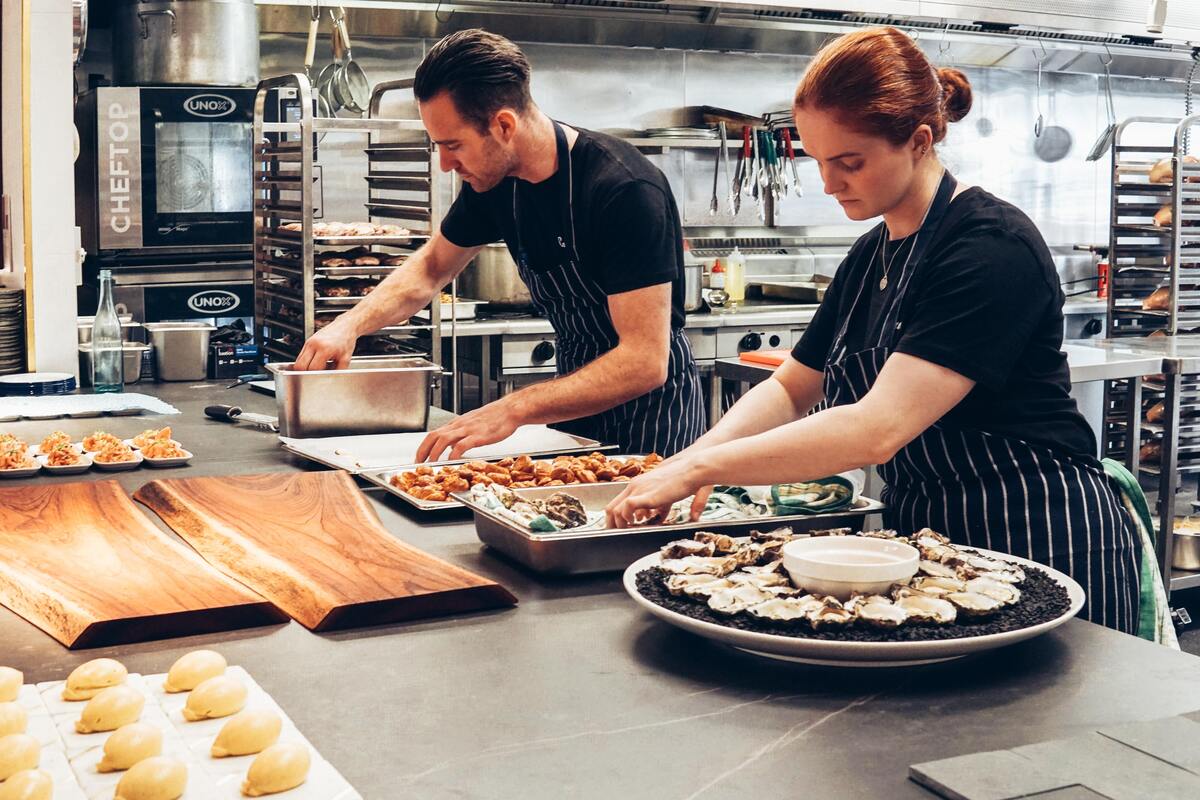
As the kitchen fills with activity, the sous chef moves between stations:
- Tasting sauces for seasoning
- Checking knife work and plating consistency
- Coaching junior cooks
- Jumping in to assist when needed
This is where mentorship happens. Many sous chefs train line cooks who hope to one day become executive chefs themselves.
They correct technique, demonstrate efficiency, and model professionalism under pressure.
12:00 p.m. – Service Begins
When tickets start printing, the pace shifts.
The sous chef often works the pass (the area where finished plates are inspected before going to guests). Here they:
- Ensure plating matches the restaurant’s standards
- Coordinate timing between stations
- Call out orders
- Solve bottlenecks before they escalate
Communication becomes rapid and precise.
In a hotel environment, this might mean balancing:
- Restaurant lunch service
- Room service orders
- Poolside dining
- Banquet production
All at once.
2:30 p.m. – Administrative Work
Between services, the role becomes more strategic.
A sous chef may:
- Place food orders
- Conduct inventory counts
- Update prep sheets
- Review labor schedules
- Calculate food cost percentages
- Meet with the executive chef
In today’s hospitality landscape, profitability matters just as much as flavor. Sous chefs help manage food waste, portion control, and supplier relationships to protect margins.
They may also collaborate with purchasing teams or vendors to source seasonal ingredients.
4:30 p.m. – Reset for Dinner
Dinner service often brings higher check averages, more complex dishes, and a faster pace.
The sous chef:
- Reviews reservations and expected covers
- Confirms staffing levels
- Double-checks mise en place
- Tastes key components one more time
Energy builds again.
6:00–9:00 p.m. – Peak Service
This is where leadership shines.
During a busy dinner rush, the sous chef:
- Maintains morale under pressure
- Adjusts pacing between stations
- Steps in on sauté, grill, or garde manger if needed
- Handles guest concerns related to food
A guest allergy issue? The sous chef ensures proper protocol.
A steak overcooked? The sous chef fixes it immediately.
A new cook struggling? The sous chef supports them without slowing service.
10:00 p.m. – Close Down
After the final ticket, the job isn’t done.
The sous chef ensures:
- Stations are cleaned and sanitized
- Food is labeled and stored properly
- Equipment is turned off correctly
- Prep lists are updated for the next shift
They often debrief the team—what worked, what didn’t, and how to improve tomorrow.
What It Takes to Be a Sous Chef
The role demands a blend of skills:
Technical Expertise
- Knife skills
- Sauce work
- Protein fabrication
- Food safety knowledge
Leadership
- Clear communication
- Conflict resolution
- Coaching ability
- Time management
Stamina
- 10–12 hour shifts
- Long periods on your feet
- High-pressure decision-making
Most sous chefs begin as line cooks and work their way up through experience, culinary school, or both. Many have formal training from institutions such as Culinary Institute of America, while others rise through apprenticeships and hands-on experience.
Why People Love This Role
Despite the long hours, many chefs consider the sous chef position one of the most rewarding roles in the kitchen.
It offers:
- Creative input without full executive-level administrative pressure
- Leadership experience
- Daily problem-solving challenges
- The satisfaction of running a successful service
It’s where craft meets coordination.
A sous chef may not always be the face of the restaurant—but they are often the heartbeat of the kitchen.
If you thrive under pressure, love teamwork, and want to grow into culinary leadership, a day in the life of a sous chef might be exactly where you belong.