Adaptability: The Most Important Hospitality Skill
Career Advice / September 3, 2025If you work in hospitality, you already know one thing: no two days are the same. Guest expectations change, technology evolves, and industry challenges—from labor shortages to global travel shifts—keep teams on their toes.
That’s why adaptability isn’t just “a nice-to-have” soft skill—it’s the number one skill that defines long-term success in hospitality. Whether you’re serving guests at the front desk, managing a team, or running food and beverage operations, your ability to adjust in real time makes you invaluable.
In this article, we’ll break down what adaptability really means in the workplace, the core skills that shape it, and practical ways to improve it as you grow your hospitality career.
What Does Adaptability Mean in Hospitality?
Adaptability is your ability to adjust to changes in your environment while still delivering excellent results.
In a hospitality setting, this could mean:
- A front desk agent calmly handling a system outage while still checking in guests.
- A banquet manager reconfiguring an event layout after a client makes last-minute requests.
- A restaurant supervisor adjusting staff coverage when a server calls out during peak hours.
- A housekeeping manager pivoting schedules to meet higher guest demand during an unexpected sellout.
At its core, adaptability is about being flexible, resilient, and proactive in the face of change. It’s a skill that makes you more effective in your current role and prepares you for leadership opportunities in the future.
Core Skills That Shape Workplace Adaptability
If you want to sharpen your adaptability, here are the key skills that support it:
- Strategic Thinking – Example: A hotel revenue manager reallocating rooms to group bookings after a sudden cancellation.
- Active Listening – Example: A server understanding a guest’s frustration with a delayed order and addressing it with empathy.
- Strong Communication – Example: A concierge clearly explaining alternative options to guests when an activity is rained out.
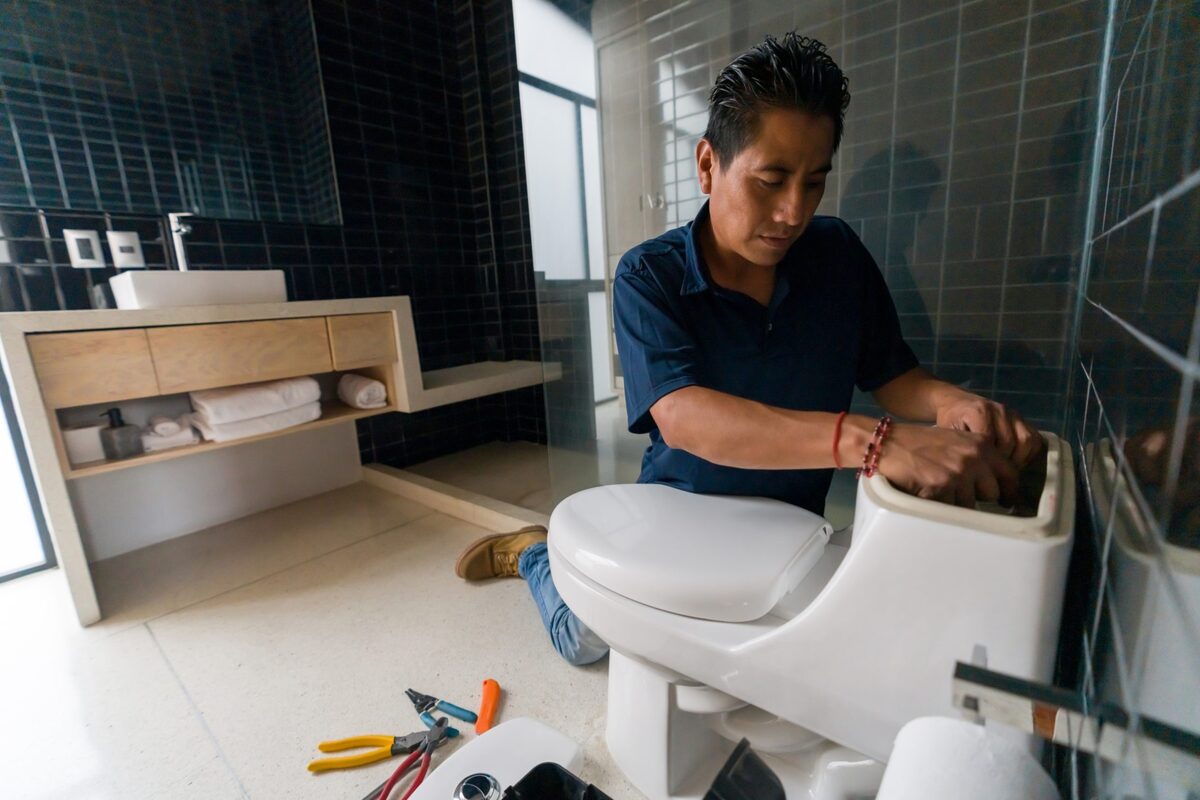
- Responsiveness – Example: A maintenance team reacting quickly to an air conditioning breakdown in the middle of summer.
- Resilience – Example: A manager keeping morale high after an unexpectedly busy weekend stretch.
5 Ways to Improve Your Adaptability in Hospitality
Adaptability doesn’t develop overnight—it’s built through practice and mindset. Here are five proven ways to strengthen this skill in your career:
1. Stay Aware of Changes Around You
Adaptability starts with awareness. Pay attention to company updates, new guest trends, or shifts in your team’s operations.
Hospitality example: A hotel front desk agent who follows industry newsletters knows that many guests now prefer mobile check-in. By anticipating this trend, they can proactively learn the system and assist guests more confidently when it rolls out.
2. Develop a Growth Mindset
Change is often uncomfortable, but it’s also an opportunity. Embrace challenges as learning experiences.
Hospitality example: A restaurant manager who introduces a new point-of-sale system may face resistance from staff. Instead of seeing mistakes as failures, they treat them as learning opportunities and encourage the team to get comfortable with the technology.
3. Ask for Feedback (and Act on It)
Feedback helps you understand how well you’re adapting—and where you can improve.
Hospitality example: A housekeeping supervisor asks team members how they felt about a new cleaning schedule. Based on the feedback, the supervisor tweaks the assignments to improve efficiency and morale.
4. Look for the Silver Lining
Roadblocks at work are inevitable. Adaptable professionals see them as opportunities for growth.
Hospitality example: A banquet team discovers the kitchen is running behind before a large wedding reception. Instead of panicking, the banquet captain uses the extra time to set up a surprise champagne welcome for guests, turning a potential setback into a positive experience.
5. Step Out of Your Comfort Zone
Sometimes change happens to us—but sometimes we can choose it.
Hospitality example: A concierge volunteers to cover a night shift for the first time. By doing so, they learn how to handle a different pace of guest requests and gain valuable insight into the hotel’s 24-hour operations.
Why Adaptability Will Define Your Career Success
Everyone in hospitality wants to deliver outstanding service and grow in their career. But the path isn’t always smooth. Adaptability is the skill that helps you navigate those rough patches—turning uncertainty into opportunity and challenges into growth.
In fact, studies show that employers across industries consistently rank adaptability as one of the top skills they seek in candidates. In hospitality, where flexibility and service excellence are everything, it’s the difference between staying in place and moving forward in your career.